
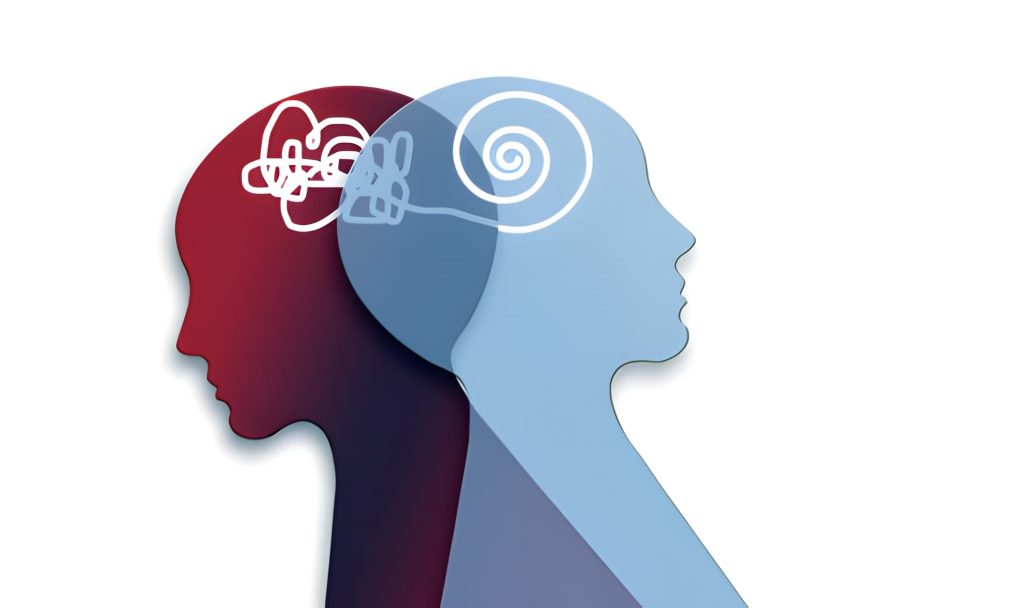
When addiction and mental health challenges overlap, recovery becomes more complex – but also more achievable with the right care. Dual diagnosis treatment addresses both substance use disorders and co-occurring mental health conditions, providing integrated support that traditional treatment often misses.
However, not all dual diagnosis programs are created equal. Choosing the right program can dramatically affect outcomes, emotional well-being, and long-term sobriety. This guide will help you understand what to look for, the different levels of care, and how to make an informed choice for yourself or a loved one.
Understanding Dual Diagnosis Treatment Programs
A dual diagnosis treatment program is an approach that simultaneously addresses:
- Substance use disorders – alcohol, opioids, stimulants, prescription drugs, or multiple substances
- Mental health conditions – depression, anxiety, PTSD, bipolar disorder, ADHD, and more
Integrated care is critical because untreated mental health issues are one of the strongest predictors of relapse. Effective dual diagnosis programs combine therapy, psychiatric care, and often medication management into one coordinated plan, ensuring that neither condition is overlooked.
Levels of Dual Diagnosis Care
Dual diagnosis programs are offered across several levels of care, depending on symptom severity, safety needs, and support systems:
- Partial Hospitalization Programs (PHP)
- Intensity: Highest outpatient level
- Hours: Typically 5-8 hours per day, 5 days per week
- Best for: Individuals recently completing detox or residential treatment, at high risk of relapse, or with severe co-occurring mental health symptoms
- Why it matters: Provides daily structure, medical oversight, and therapy while allowing patients to return home at night
- Intensive Outpatient Programs (IOP)
- Intensity: Moderate
- Hours: 3-4 hours per day, 3-5 days per week
- Best for: Individuals transitioning from PHP or residential care, or those with moderate addiction severity who need structured therapy while maintaining some independence
- Why it matters: Balances recovery support with real-world responsibilities like work, school, or family
- Standard Outpatient Programs
- Intensity: Low
- Hours: 1-3 hours per week
- Best for: Individuals in long-term recovery, with strong coping skills, stable mental health, and low relapse risk
- Why it matters: Maintains recovery gains and prevents relapse after more intensive treatment
Key Factors to Consider When Choosing a Dual Diagnosis Treatment Program
Selecting a dual diagnosis treatment program requires more than comparing hours or schedules. Consider the following critical factors:
- Accreditation and Licensing
- Look for programs licensed by your state and accredited by recognized bodies such as CARF or The Joint Commission
- Accreditation ensures the program meets strict quality standards
- Integrated Treatment Approach
- Addiction and mental health care should be coordinated, not siloed
- Therapy, medication management, and clinical oversight should be part of a single treatment plan
- Evidence-Based Therapies
Effective programs use therapies that are proven to work, including:
- Cognitive Behavioral Therapy (CBT)
- Dialectical Behavior Therapy (DBT)
- Trauma-informed therapy
- Motivational Interviewing
- EMDR for trauma
- Group and family therapy
- Experienced, Multidisciplinary Staff
Look for a team that includes:
- Licensed therapists and counselors
- Psychiatrists or psychiatric nurse practitioners
- Addiction specialists
- Trauma-informed clinicians
- Medication Management
- Some co-occurring conditions require psychiatric medications
- A qualified prescriber should oversee medication and monitor for side effects or interactions with substance use
- Trauma-Informed Care
- Trauma is often an underlying factor in both addiction and mental health disorders
- Programs should create a safe, non-judgmental environment that prioritizes emotional safety
- Personalized Treatment Plans
- Programs should tailor care to the individual, not rely on a one-size-fits-all approach
- Treatment plans should account for substance history, mental health symptoms, family dynamics, and daily responsibilities
- Continuum of Care
- Look for programs that provide step-down care from PHP to IOP to outpatient
- Aftercare and alumni support programs improve long-term recovery success
Questions to Ask When Evaluating Dual Diagnosis Treatment Programs
Before committing to a program, consider asking:
- How do you integrate mental health and addiction treatment?
- What types of therapy do you provide, and how often?
- Do you provide psychiatric evaluations and medication management?
- How do you assess and treat trauma?
- What is the typical length of stay or treatment plan?
- What support is offered after treatment ends?
- Are family members involved in the treatment process?
- How is progress measured?
Red Flags to Watch For
Not all programs are equipped to handle dual diagnosis effectively. Be cautious if a program:
- Treats mental health and addiction separately
- Lacks licensed mental health professionals or psychiatrists
- Relies solely on group therapy or 12-step approaches without clinical oversight
- Provides generic treatment without individualized plans
- Doesn’t monitor medication or psychiatric symptoms
Choosing the wrong program can result in repeated relapse, emotional distress, or treatment burnout.
Making the Decision
Choosing a dual diagnosis program is deeply personal and should be based on:
- The severity of substance use
- Co-occurring mental health conditions
- Safety and relapse risk
- Support system availability
- Daily responsibilities and lifestyle
- Personal readiness for recovery
Consulting with a clinician or admissions specialist can help match an individual to the right level of care.
Why the Right Dual Diagnosis Treatment Program Matters
The correct dual diagnosis program provides:
- Stability and safety during the early stages of recovery
- Comprehensive support for both addiction and mental health
- Tools to manage triggers, stress, and emotional challenges
- A foundation for long-term recovery and resilience
With the right program, individuals not only achieve sobriety-they learn to rebuild their lives with emotional balance, healthier relationships, and renewed hope.
Final Thoughts
Recovery is a journey, not a single step. Dual diagnosis treatment acknowledges the complexity of addiction and mental health, ensuring that care addresses the whole person.
Choosing the right program isn’t just about hours or cost-it’s about finding a safe, structured, evidence-based environment where both substance use and mental health can be treated together.
With the right program, recovery becomes not just possible, but sustainable-and it can transform lives in ways that last a lifetime.
If you ever feel at risk, professional guidance and support networks are available to help you stay on track and regain confidence in your recovery journey. Call 443-LIV-FREE today or fill this form to get started.
You can also follow us on Facebook