
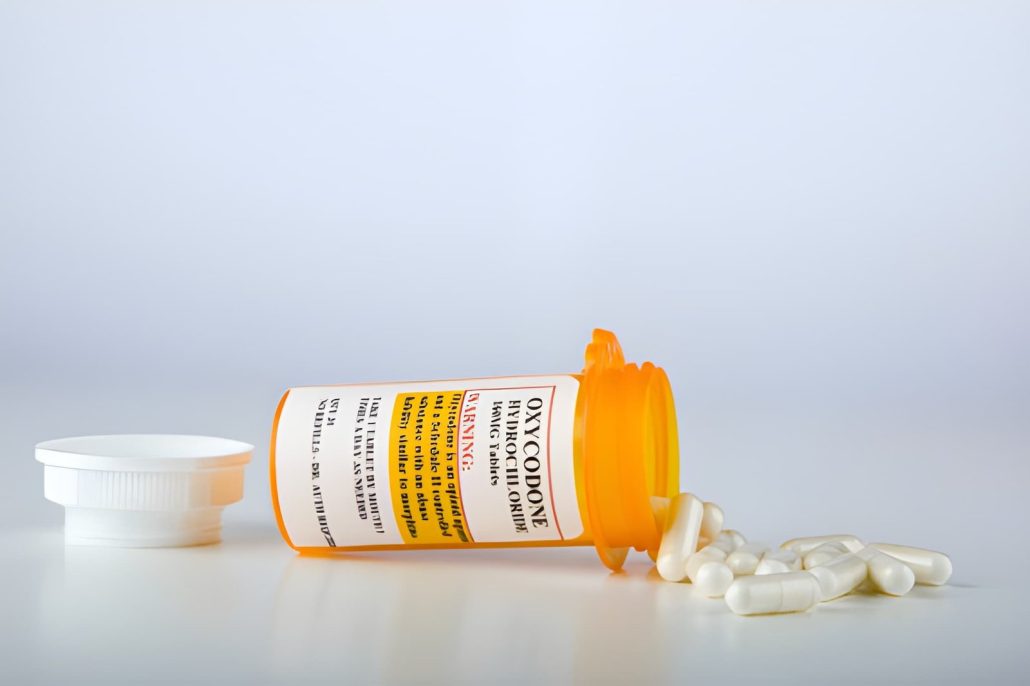
Oxycodone is a prescription opioid used to treat moderate to severe pain. When taken exactly as prescribed, it can provide important pain relief. But because oxycodone acts on the brain’s opioid receptors and can produce euphoria, tolerance and physical dependence, some people develop opioid use disorder (OUD), even when their opioid use began with a legitimate prescription.
If you are concerned that your use of oxycodone has become difficult to control, you are not alone, and needing treatment does not mean you are weak or have failed. Opioid use disorder is a treatable medical condition. Effective treatment can include medication, counseling, behavioral therapies, peer support and different levels of structured care depending on a person’s needs.
For someone searching for oxycodone addiction treatment, one of the most important things to understand is that treatment does not have to look the same for everyone.
What Is Oxycodone Addiction?
Oxycodone addiction is commonly discussed clinically as opioid use disorder, a medical condition involving problematic opioid use that causes significant impairment, distress or difficulty controlling use.
Oxycodone is a semi-synthetic opioid. It is available in prescription medications used for pain and may be prescribed by itself or in combination with other medications, such as acetaminophen.
Repeated opioid exposure can lead to changes in the brain and nervous system. Over time, a person may develop tolerance, meaning they need more of the drug to experience the same effect, and physical dependence, meaning the body adapts to the presence of the medication and withdrawal symptoms can occur when it is reduced or stopped.
Dependence and addiction, however, are not the same thing.
A person can become physically dependent on an opioid after taking it as prescribed without meeting criteria for opioid use disorder. Oxycodone addiction involves a broader pattern of impaired control, compulsive use, continued use despite harm, or other symptoms associated with OUD.
That distinction matters because simply experiencing withdrawal does not automatically mean someone is addicted.
How Does Oxycodone Addiction Develop?
There is no single pathway to oxycodone addiction.
Someone may begin taking oxycodone after surgery, an injury, dental procedure or another painful medical condition. Others may receive repeated prescriptions for chronic pain. Some people begin taking more than prescribed because their pain is not adequately controlled. Others may begin taking oxycodone for its euphoric or calming effects.
Risk can increase when opioid use becomes more frequent, doses increase, the medication is used differently than prescribed, or opioids are combined with other substances.
But addiction is not simply a matter of taking “too many pills.”
A person’s genetics, mental health, trauma history, environment, stress, previous substance use and other factors can influence vulnerability to developing a substance use disorder.
That is why effective oxycodone addiction treatment focuses on the whole person, rather than simply telling someone to stop taking the medication.
Signs of Oxycodone Addiction
One of the most important questions is:
How do I know whether oxycodone use has become a problem?
Possible warning signs include:
- Taking oxycodone in larger amounts or for longer than intended
- Repeatedly trying to cut down or stop but being unable to do so
- Spending significant time obtaining, using or recovering from oxycodone
- Strong cravings or urges to use
- Continuing to use despite problems at work, school, home or in relationships
- Giving up important activities because of opioid use
- Continuing to use despite knowing it is causing physical or psychological problems
- Using oxycodone in situations where doing so creates additional risk
- Developing tolerance
- Experiencing withdrawal when reducing or stopping use
- Using more frequently than originally intended
- Seeking prescriptions from multiple sources or engaging in other behaviors to obtain opioids
Not everyone will experience all of these symptoms.
Clinicians diagnose opioid use disorder based on a person’s overall pattern of symptoms, not simply on how many pills they take.
Oxycodone Dependence vs. Addiction: What’s the Difference?
This is one of the most misunderstood parts of prescription opioid use.
Physical dependence
Physical dependence means the body has adapted to repeated exposure to a medication. If the medication is suddenly reduced or stopped, withdrawal can occur.
Physical dependence can occur even when someone takes a medication exactly as prescribed.
Addiction or opioid use disorder
Opioid use disorder involves a problematic pattern of opioid use associated with impaired control, cravings, continued use despite consequences and other symptoms.
Someone can therefore be physically dependent without having an opioid use disorder.
Conversely, someone can have opioid use disorder even if they do not describe themselves as physically dependent.
A professional assessment is the best way to understand what is happening.
What Does Oxycodone Withdrawal Feel Like?
When a person who has developed physical dependence stops or significantly reduces oxycodone, withdrawal may occur.
Symptoms can include:
- Muscle aches
- Restlessness
- Anxiety
- Irritability
- Sweating
- Runny nose
- Watery eyes
- Insomnia
- Abdominal cramping
- Nausea
- Vomiting
- Diarrhea
- Dilated pupils
- Chills
- Increased heart rate
- Strong cravings
Withdrawal can be extremely uncomfortable, which can make returning to opioid use feel like the easiest way to make the symptoms stop.
But there is another important concern: loss of tolerance.
After a period without opioids, tolerance can decrease. Returning to a previously tolerated amount can therefore increase overdose risk.
This is one reason opioid use disorder should be treated as a medical condition rather than simply a matter of willpower.
What Is the Best Treatment for Oxycodone Addiction?
There is no single treatment that is “best” for every person.
For someone with opioid use disorder, treatment should be based on factors such as:
- Severity of opioid use disorder
- Current opioid use
- Withdrawal history
- Overdose history
- Physical health
- Mental health
- Previous treatment experiences
- Relapse history
- Housing and living environment
- Family and social support
- Employment and other responsibilities
- Access to medications
- Individual goals and preferences
The treatment plan may change over time.
SAMHSA and the FDA recognize three medications approved for the treatment of opioid use disorder: buprenorphine, methadone and naltrexone. These medications can be used as part of comprehensive treatment and are not simply substitutes for “one addiction with another.”
The CDC recommends that clinicians offer or arrange evidence-based medication treatment for people with opioid use disorder, particularly those with moderate or severe OUD. It specifically notes that detoxification alone, without medication for OUD, is not recommended because of increased risks associated with return to opioid use and overdose.
Medication Treatment for Oxycodone Addiction
Medication for opioid use disorder can be an important component of recovery.
Buprenorphine
Buprenorphine is a partial opioid agonist. It can reduce opioid cravings and withdrawal symptoms while producing less intense opioid effects than full opioid agonists.
It is available in several formulations, including medications that combine buprenorphine with naloxone and long-acting injectable formulations.
SAMHSA notes that buprenorphine treatment can be long-term and, for some people, may continue indefinitely depending on individual needs.
Methadone
Methadone is a full opioid agonist approved for the treatment of opioid use disorder.
In the United States, methadone for OUD is dispensed through federally regulated opioid treatment programs, with limited exceptions.
Naltrexone
Naltrexone works differently.
It is an opioid antagonist that blocks opioid receptors rather than activating them. Extended-release injectable naltrexone is FDA-approved for opioid use disorder and is administered approximately once every four weeks.
A person must be opioid-free for an appropriate period before starting naltrexone because taking it while opioids are still present can precipitate withdrawal. The required opioid-free interval varies based on the opioid and the individual situation.
Vivitrol
Vivitrol is the brand name for extended-release injectable naltrexone.
Because it is an injectable form of naltrexone, it can be used as part of treatment for opioid use disorder after the appropriate opioid-free period.
Evolve Life Centers offers Vivitrol as part of its medication-assisted treatment services.
Sublocade
Sublocade is an extended-release injectable formulation of buprenorphine approved for the treatment of opioid use disorder.
Because it contains buprenorphine, it works differently from Vivitrol. Vivitrol blocks opioid receptors, while buprenorphine partially activates them.
Evolve offers Sublocade as part of its MAT services.
The decision between medications should be made with a qualified healthcare professional based on the individual’s medical history, current opioid use, treatment goals and other factors.
Is Medication-Assisted Treatment Just Replacing One Drug With Another?
No.
This is one of the most persistent misconceptions about opioid use disorder treatment.
FDA-approved medications for OUD are evidence-based medical treatments. SAMHSA describes buprenorphine, methadone and naltrexone as FDA-approved medications for OUD and emphasizes that medication can be an integral part of treatment.
The goal is not simply to eliminate every medication.
The goal is to reduce the harms associated with uncontrolled opioid use, decrease cravings and withdrawal, improve stability and give a person a realistic opportunity to build a sustained recovery.
For some people, medication is temporary.
For others, long-term or indefinite treatment may be appropriate.
There is no universal timeline.
What Does Oxycodone Addiction Treatment Look Like?
Medication is only one potential part of treatment.
Comprehensive treatment may also include:
Individual counseling
One-on-one counseling provides an opportunity to address substance use, triggers, relationships, mental health, trauma and other issues that may contribute to continued opioid use.
Group therapy
Group treatment can provide accountability, connection and an opportunity to learn from people experiencing similar challenges.
Relapse prevention
Treatment can help identify triggers and develop strategies for managing cravings, high-risk situations and setbacks.
Mental health treatment
Depression, anxiety, PTSD and other mental health conditions can occur alongside substance use disorders.
Addressing both conditions can be important for long-term recovery.
Family involvement
Addiction affects more than the person using opioids. Family members may need education, boundaries, communication skills and support of their own.
Recovery support
Stable housing, peer support, employment, healthy relationships and meaningful daily routines can all play important roles in recovery.
SAMHSA describes counseling and behavioral therapies as important components of comprehensive substance use disorder treatment and emphasizes individualized treatment planning.
When Should You Seek Oxycodone Addiction Treatment?
You do not have to wait until your life completely falls apart.
Consider seeking an assessment if:
- You are taking more oxycodone than prescribed.
- You have tried to stop but keep returning to it.
- You experience strong cravings.
- You are obtaining opioids outside your prescription.
- Your opioid use is affecting relationships, work or finances.
- You are hiding your use.
- You continue using despite knowing it is causing problems.
- You are afraid of what will happen if you stop.
- You have experienced an overdose or near-overdose.
- Someone you trust has expressed concern about your opioid use.
Early intervention can provide more options and may prevent the consequences from becoming more severe.
Oxycodone Addiction Treatment at Evolve Life Centers
Oxycodone addiction is not a character flaw, and needing treatment is not a sign of failure.
It is a medical condition that can be treated.
At Evolve Life Centers, treatment is individualized around the person’s substance use, mental health, recovery environment and clinical needs. Depending on the assessment, treatment may include residential care, PHP, IOP, outpatient treatment, recovery housing and medication-based treatment such as Vivitrol or Sublocade.
Evolve’s assessment process considers the individual’s clinical and substance-use history when determining the appropriate level of care. If someone needs detoxification or services outside Evolve’s level of care, the team can help connect them with an appropriate provider.
If oxycodone has become something you feel you cannot control, you do not have to figure out the next step alone.
If you have a need to get started on your addiction treatment, or will need more support evaluating PHP treatment for addiction, call 443-LIV-FREE today or fill this form to get started.
You can also follow us on Facebook